

Usability Week 2012

Content Strategy 1: Process and Qualitative Audits

  • New York: Sunday, February 26
  • Edinburgh: Wednesday, March 21

Catherine Toole
Full-Day Training Course

Content Strategy looks set to be the big buzz phase of 2011. As content finally comes of age, the need to look not just tactically – but strategically – at the way you create and manage your digital content has never been so business critical.

While many of us have been informally following strategic content planning principles for some time, content strategy has now been formalized into a discipline that’s increasingly hard to ignore. It’s time to pull everything we know about what makes effective content together and look at the overall picture. So what will it take to formulate an effective content strategy for your organization’s digital content? And what is the business case for investing in this process?

Bad content costs you money in terms of lost customers and troubleshooting, It wastes lots of employee time and makes organizations look bad. Content which is well-planned and consistently executed to clear guidelines can raise sales and profit margins, lower customer complaints and decrease the workload and stress levels of your content creators. This course demonstrates a process you can follow to achieve this.

What You’ll Learn

  • A step-by -step process you can follow to produce a content strategy for your web, email, mobile and social media content.
  • How to expand your strategy to incorporate offline materials and other marketing collateral
  • The business case for investing in content strategy
  • A crucial part of the content strategy process is the qualitative audit of your existing content. We’ll share a best practice process for auditing your existing web copy.

Course Outline

  • What is content strategy?
    • Defining a new discipline
    • The business case for investing in a content strategy
    • What we learnt in print publishing (and how we can use it to our advantage)
  • 7 steps to a content strategy
    1. What’s it all about? Formalizing commercial objectives, message prioritisation, identifying key tasks, scope, stakeholders and success factors.
    2. Users and what they want. User profiles, analytics and other content planning clues.
    3. What content do we have – and how does it perform? Qualitative and quantitative content auditing.
    4. Idea generation and editorial strategy. Planning for better content, year on year.
    5. Formats and samples. How to get from theory to a usable, on-brand content reality – includes creative briefing.
    6. Ongoing content production. Guidelines and training for content producers.
    7. Keeping it up. QA, editorial support and feedback, evolving and measuring your content strategy.
  • How to conduct a qualitative content audit
    • Preparing for a content audit
    • Key audit criteria and how to score against them
    • Presenting a content audit internally
    • Maximizing the value of your content audit
    • Practical audit exercises

Format

This full-day tutorial includes lectures, discussions, and exercises.

Handouts

Copies of the presentation slides.

See Also:

Content Strategy 2 takes the process outlined in Content Strategy 1 and focuses in detail on formats, samples and language guidelines, with a specific emphasis on brand tone of voice.

You’ll learn how to create (or brief in) strong, usable content formats that can be easily replicated by multiple authors. Also how to produce the brand tone of voice and language guidelines needed to support content contributors in their work.

While both Content Strategy days can be attended in isolation, Content Strategy 2 is recommended for attendees who, as part of their content strategy project, will need to create, or oversee the production of content and want to ensure that quality and consistency is maintained. It is perfect for anyone who feels their content could be improved but relies on non-professional writers for content production and for any organization without existing brand tone of voice guidelines written specifically for digital.

Instructor

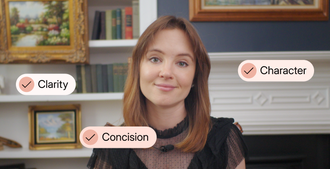
photo of Catherine Toole Catherine Toole is the founder and CEO of the British digital copywriting agency Sticky Content. A former press journalist, she has spent the past 13 years specializing in Web, email, mobile, and social media content projects for a wide range of clients, agencies, and government departments. In 2010, Sticky Content provided content strategy, web writing training, auditing and copywriting services to clients such as Sony, Nokia, the UK Post Office, Lloyds TSB, Orange Business, Hilton Hotels, Europcar, IKEA, Lufthansa, Shop Direct, John Lewis, British Gas and British Telecom. A well-known speaker in the UK, Catherine has an expert content blog on econsultancy and sits on the executive committee of the British Interactive Media Association (BIMA).