When a visual design looks good, it can make people overlook or forgive minor experience problems. This is referred to as the aesthetic-usability effect.
The aesthetic-usability effect refers to users’ tendency to perceive attractive products as more usable. People tend to believe that things that look better will work better — even if they aren’t actually more effective or efficient.
Impact on User Experience
When users have a positive emotional response to visual design, it makes them more tolerant of minor usability issues. This effect is a major reason why a good user experience can’t just be functional. An attractive visual design isn’t just “nice to have” — it plays a critical role in how your users perceive your product.

Limitations of the Aesthetic-Usability Effect
The aesthetic-usability effect has limits. A pretty design can make users forgiving of minor usability problems, but not of large ones.
Example
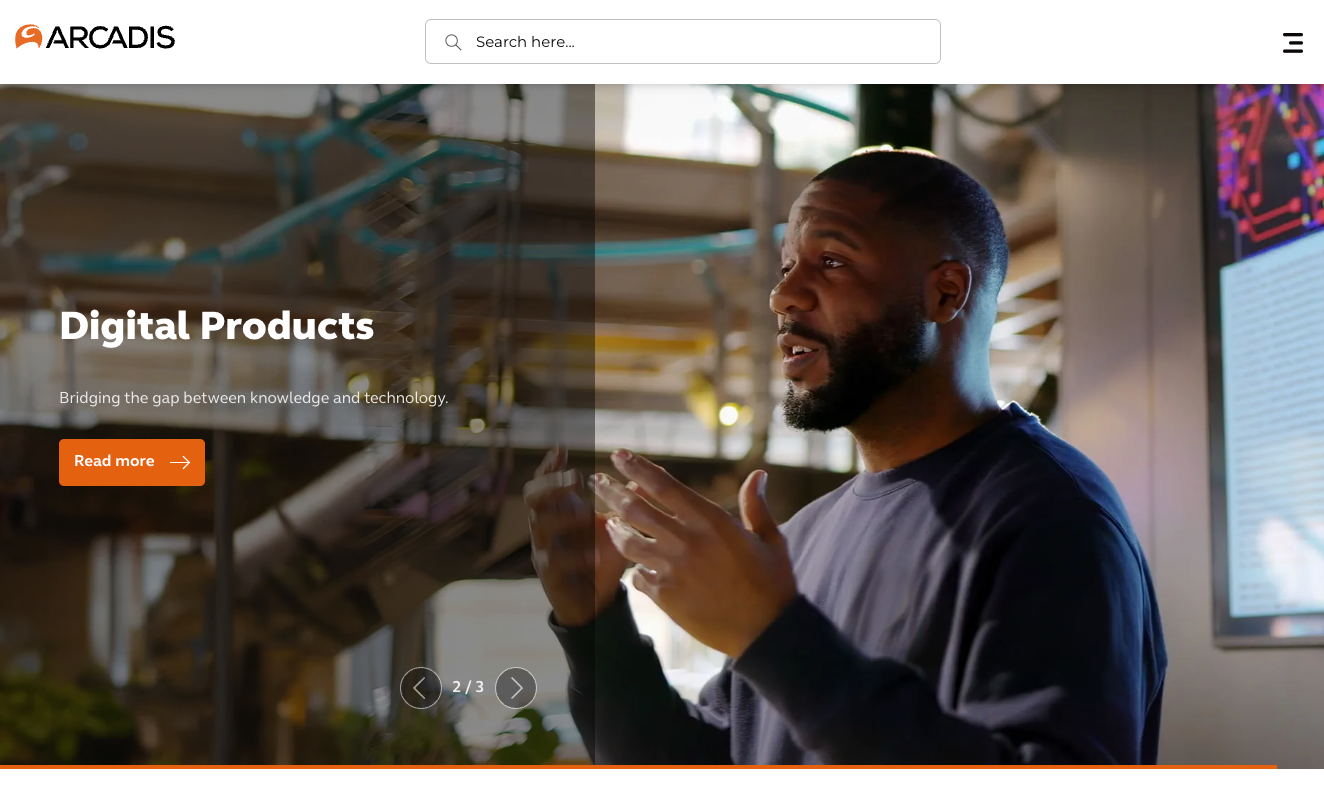
During a usability test, a participant visited the website of Arcadis, a consultancy. The site used large background photos on many pages throughout the site.
At first, the participant responded positively to the site’s aesthetics:
"First thing, popping into this webpage, I see this beautiful, colorful image."
However, after struggling to complete several tasks, the participant revised his opinion of the design:
"I feel like the whole screen being taken by this is pretty awesome once… And probably annoying the second time."
Form and function should work together. When products suffer from severe usability issues, or when functionality is sacrificed for aesthetics, users tend to lose patience.
Usability-Testing Challenges Caused by the Aesthetic-Usability Effect
It’s a familiar frustration to facilitators in usability tests; You watch a participant struggle through a suboptimal experience, getting stuck and failing tasks. Then, when you ask them to comment on their experience, all they can talk about is the site’s great color scheme.
Instances like this are often the result of the aesthetic-usability effect. When an attractive interface helps hide problems in real life, that’s a good thing for product teams. However, during user research, when our goal is to find problems so we can fix them, the aesthetic-usability effect can get in the way.
Example
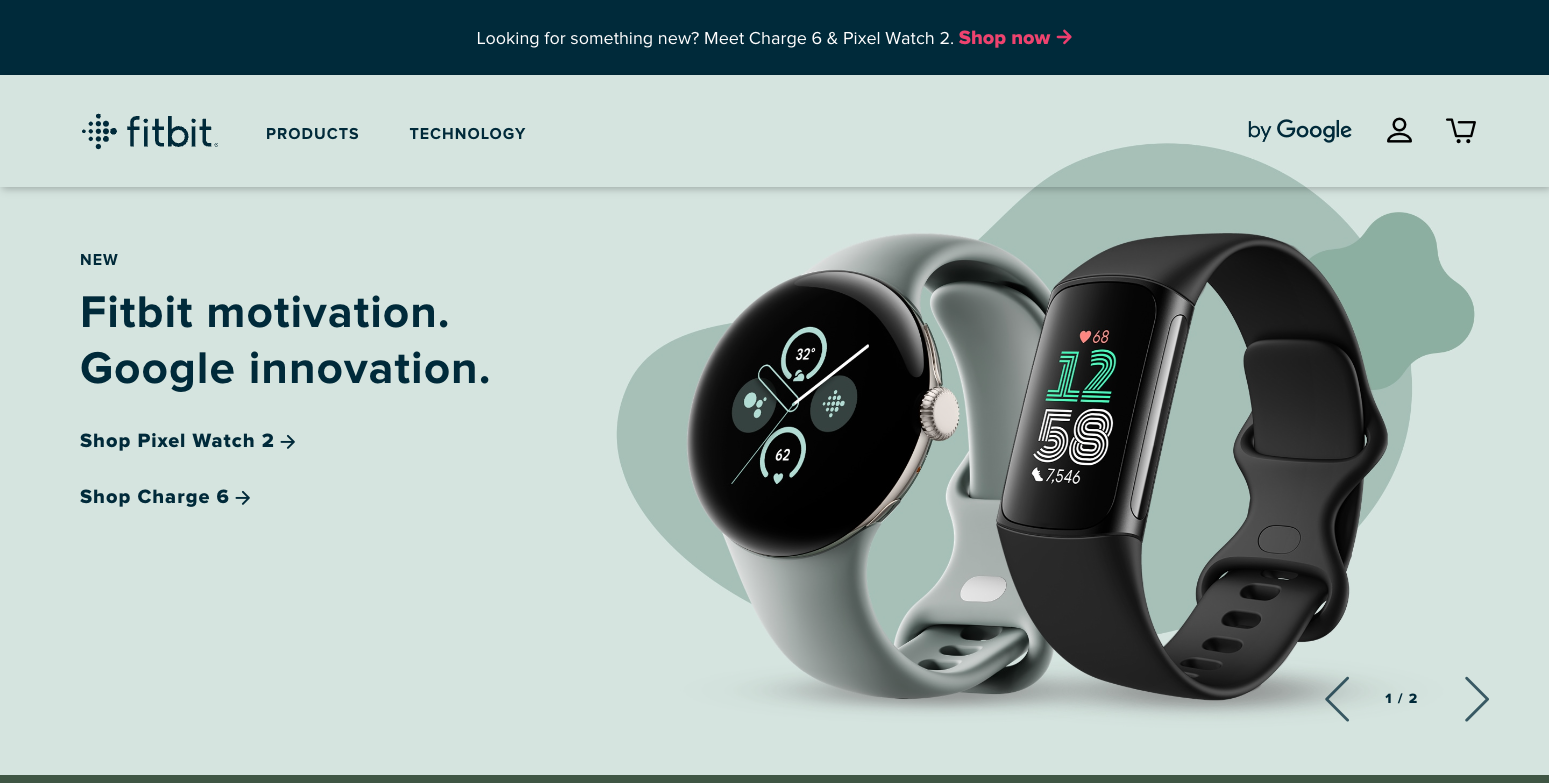
For example, during a usability-testing study, a participant encountered many issues while shopping on the FitBit site. The issues ranged from minor annoyances in the interaction design to serious flaws in the navigation. She was able to complete her task, but with difficulty.
However, in a post-task questionnaire, she rated the site’s ease of use very highly.
"It’s the colors they used. Looks like the ocean, it’s calm. Very good photographs."
The positive emotional response caused by the aesthetic appeal of the site masked its usability issues and made them harder to identify.
Interpreting Positive Comments About Visuals During User Research
User researchers can identify instances of the aesthetic-usability effect during user research by paying close attention to what users do and how it relates to what they say.
Let’s imagine we’re facilitating a qualitative usability-test session. We observe the participant struggling through a few tasks on a site, but their final feedback is a vague comment on the attractiveness of the interface.
Whenever we hear this kind of feedback that seems out of place, we need to consider three possibilities:
- The participant might feel pressure to comment on something. People often find it easier to give feedback on the visual design of sites.
- The participant might feel pressure to compliment the product, especially if they believe you had a hand in creating the site.
- The aesthetic-usability effect is interfering.
Once we determine why the participant gave positive feedback on visual design after a negative experience, we can work around the problem or prevent it from happening again, as explained below.
Counteracting the Pressure to Comment During User Tests
Many people are naturally uncomfortable with silence. Reduce the pressure to say something by establishing a low-stress vibe early in your session.
- Reassure participants frequently that what they’re doing is helpful, even when they are not excessively verbalizing their actions.
- Remember that the communication between a moderator and a participant isn’t the same as a regular conversation — the right amount of silence is part of the process.
- Give participants plenty of opportunity to comment during the session by asking open-ended questions, but don’t push them too hard if they don’t have anything to say.
Lowering the Pressure to Be Nice During User Tests
Some people are naturally eager to please, and that will show during sessions. You can avoid this problem by distancing yourself from what you’re testing.
- At the beginning of the session, emphasize that you didn’t design the product (if you didn’t — don’t lie to participants). If you did design the product, communicate that you’re there to learn from the participant and that negative comments won’t hurt your feelings. It’s more valuable to hear hard truths than false praise!
- Avoid showing emotional reactions to participants’ comments through facial expressions or body language. This takes practice, but strive to keep a consistently pleasant and mildly interested vibe.
Working Around the Aesthetic-Usability Effect During User Tests
Let’s say we rule out the first two possibilities — we think the study participant is comfortable and doesn’t feel pressure to say something or give empty compliments. In that case, a positive comment about visual design, along with struggles interacting with the site, could be an instance of the aesthetic-usability effect. While there are usability problems to be fixed, it’s a sign that our visual design may be effective.
Sometimes you can work around the aesthetic-usability effect by probing users to think beyond the visual layer of the experience. (But be careful not to ask leading questions.) Use vague questions like:
- “Do you have any comments about how easy or difficult it was to find this information?”
- “What made this easy or difficult to read?”
- “What would you change about this app, if anything?”
You might also return the user to a page that seemed particularly challenging and ask them to describe what happened.
Sometimes probing questions will help, but not always. Pushing too hard is likely to encourage participants to make up answers. Be willing to let go and move on to the next task.
A Brief History of the Aesthetic-Usability Effect
The aesthetic-usability effect was first studied in the field of human–computer interaction in 1995. Researchers Masaaki Kurosu and Kaori Kashimura from the Hitachi Design Center tested 26 variations of an ATM UI, asking the 252 study participants to rate each design on ease of use, as well as aesthetic appeal.
They found that the correlation between the participants’ ratings of aesthetic appeal and perceived ease of use was stronger than the correlation between their ratings of aesthetic appeal and actual ease of use. Kurosu and Kashimura concluded that users are strongly influenced by the aesthetics of any given interface, even when they try to evaluate the underlying functionality of the system. In his 2004 book Emotional Design, Don Norman explores this concept in depth as it applies to everyday objects.
Conclusion
Aesthetically pleasing interfaces are worth the investment. Visual designs that appeal to your users have the side effect of making your site appear orderly, well-designed, and professional. Users are more likely to try a visually appealing site, and they’re more patient with minor issues.
However, this effect is at its strongest when the aesthetics support and enhance the content and functionality. Additionally, this effect often influences user comments during research. As always, pay attention not only to what users say, but also to what they do.
References
Kurosu, M., & Kashimura, K. (1995). Apparent Usability vs. Inherent Usability. Conference companion on Human factors in computing systems - CHI '95.
Norman, D. A. (2004). Emotional Design: Why We Love (Or Hate) Everyday Things. New York: Basic Books.