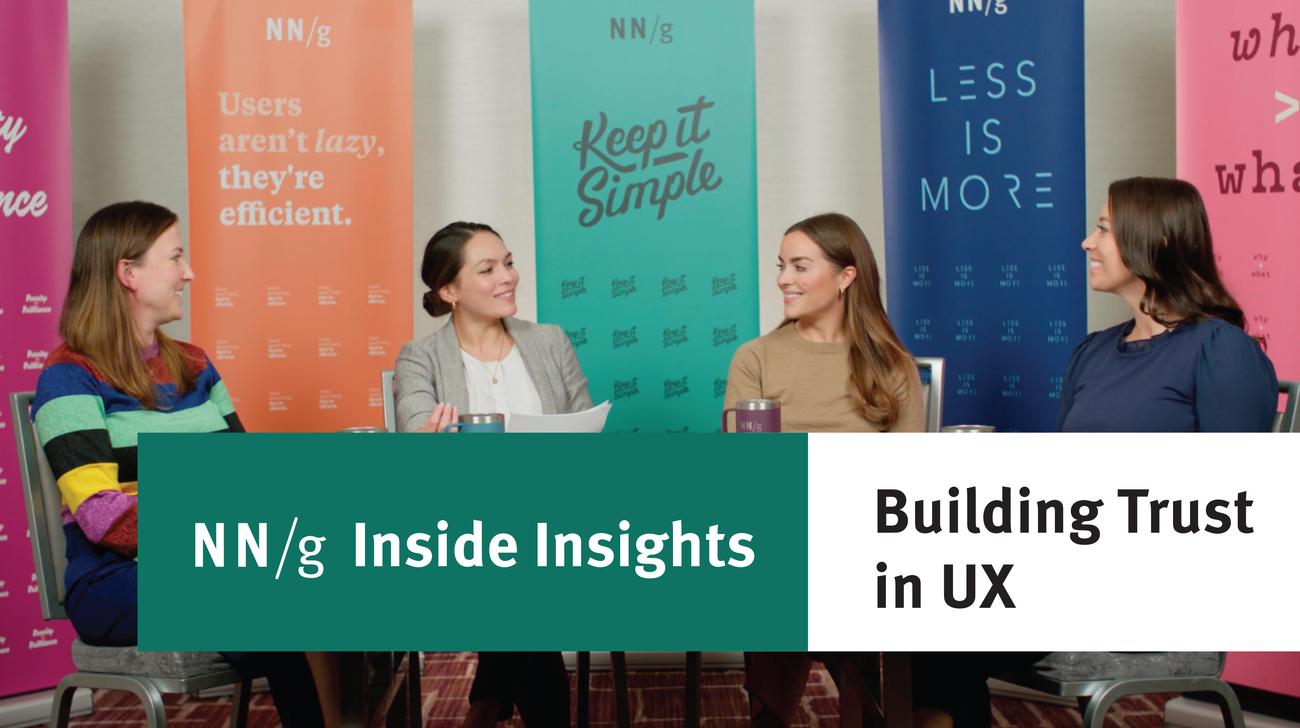
Whether UX succeeds or fails comes down to whether other people in the organization trust the UX team, the UX process, and the UX findings and designs. Low trust = poor outcomes, no matter how good the work, so building trust is a priority.
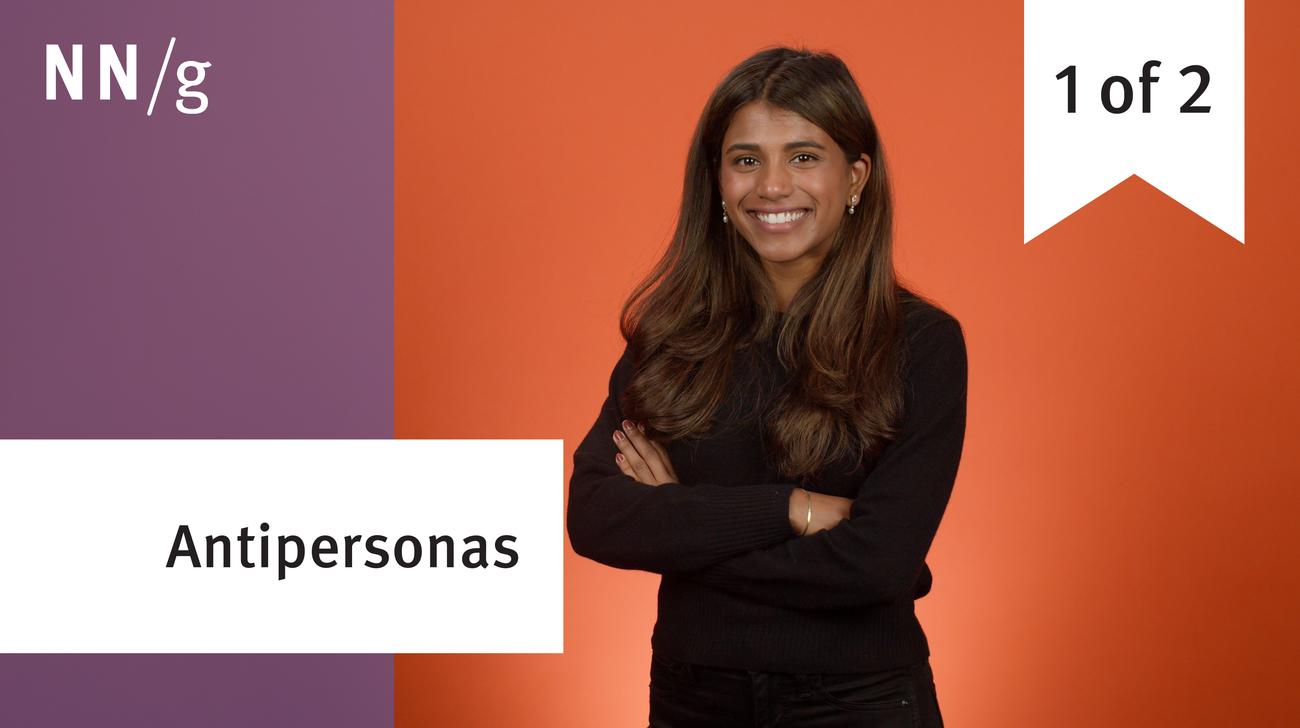
Antipersonas represent people who could misuse your product in ways that negatively impact target users and the business. Formalizing a description of the 8 aspects of an antipersonas can help a design team mitigate such risks.
Prospective university students are selective when applying to schools. They share many of the same questions and expect communications to be personalized.
Users are constantly evaluating whether they believe what you're saying and whether to leave a website. You can do 4 things to make users trust you more and stay on your site.
Negative experiences have stronger emotional impact on humans than positive experiences do. Thus, in designing the user experience, we need extra emphasis on avoiding those lows.
Companies should describe their giving back and social responsibility in simple terms, at the right level of detail to build trust and avoid user skepticism.
Even though B2B and B2C ecommerce sites have different kinds of users, both types of sites can use similar strategies to simplify purchase flows and increase consumer trust.
Users still expect to see company addresses, phone numbers, and email addresses on ‘Contact Us’ pages. Don’t hide or replace these elements with automated tools such as ‘Contact Us’ forms or chat.
Users expect About Us sections to be clear, authentic, and transparent. They compare corporate content with third-party reviews to form a holistic opinion of a company before initiating business or applying for jobs.
A perceived high-authority status of the person making a request can make people more compliant with that request. Applying this principle in UX can ease users' decision-making process.
Professionals want clear, concise information devoid of unnecessary jargon or complex terms. Plain language is a necessity and benefits both consumers and organizations.
Different tones of voice have measurable impacts on users’ perceptions of a brand’s friendliness, trustworthiness, and desirability. Casual, conversational, and enthusiastic tones performed best.
Sites must meet users' basic trust needs before they demand that visitors enter information or engage with them. The trust pyramid has 5 distinct levels of user commitment, each with separate design requirements before users will give a website what it wants.
The Web is turning into a low-trust society, hurting the honest sites. Site design can communicate
trustworthiness in several ways, though ultimately the customer's actual experience is what matters.