Instead of feature-focused roadmaps, theme-based UX roadmaps visualize experience strategy by communicating high-level opportunities and problems to solve. Include these 7 elements in each theme on the roadmap.
For increased engagement and memorability, combine abstract UX data and statistics with anecdotes and metaphors to help your audience better visualize the numbers.
If you can add more and more features and several different ways of doing a task, should you do so? No, more UI isn't more usability. Usually, less is more, so focus on users' key tasks and design simple interactions for each task.
Archetypes and personas used for UX work contain similar insights, are based on similar kinds of data, and differ mainly in presentation. Personas are presented as a single human character, whereas archetypes are not tied to specific names or faces.
Effective storytelling involves both engaging the audience and structuring stories in a concise, yet effective manner. You can improve your user stories by taking advantage of the concept of story triangle and of the story-mountain template.
How does a user story map differ from a customer journey map? A journey map is from the perspective of the person's experience, whereas a story map is from the perspective of the product and what it takes to deliver the user experience.
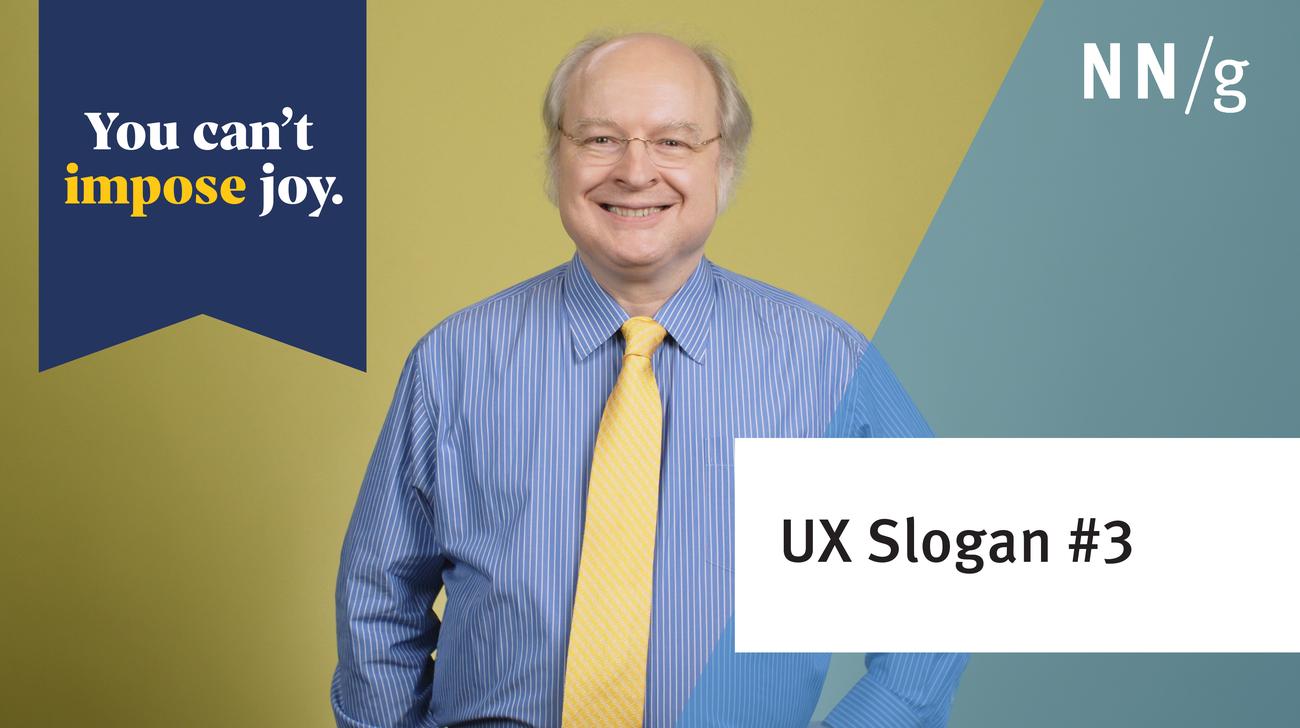
Some UX designers (and many clients) aim to "jazz up" the design to supposedly engage users. This usually backfires because extraneous design elements get in the way of users' tasks.
Jakob Nielsen's 10 general principles for interaction design. They are called "heuristics" because they are broad rules of thumb for UX and not specific usability guidelines.
Empathy maps help UX teams visualize user attitudes and behaviors, building a shared understanding of end users while highlighting gaps in existing user data.
Modern day UX research methods answer a wide range of questions. To know when to use which method, each of 20 methods is mapped across 3 dimensions and over time within a typical product-development process.
User interviews have become a popular technique for getting user feedback, mainly because they are fast and easy. Use them to learn about users’ perceptions of your design, not about its usability.
User journeys and user flows both describe processes users go through in order to accomplish their goals, but they differ in scope, purpose, and format.
iOS 26’s visual language obscures content instead of letting it take the spotlight. New (but not always better) design patterns replace established conventions.
Elaborate usability tests are a waste of resources. The best results come from testing no more than 5 users and running as many small tests as you can afford.
In a card-sorting study, users organize topics into groups. Use this research method to create an information architecture that suits your users' expectations.