Articles & Videos

  • Group Dynamics in UX Teams

    How to move from an uncommitted group to a high-performance UX design team through the 5 phases of team development.

  • Assessing User Reactions to Visual Design

    4 user research methods for assessing visual design (and when and why to use each): preference explanation, open & closed word choice, and numerical rankings for brand attributes.

  • Confirmation Bias in UX Work

    Confirmation bias is the tendency to preferentially seek out or believe data that confirms your expectations. For example, thinking that one part of the UI is well designed and another is bad, might you give more weight to observations of usability test participants having trouble with that second feature.

  • Clutter-Free: One of the 3 Cs for Better Charts

    Cut out the chartjunk; eliminate elements that distract from your data visualization.

  • How to Create a UX-Vision Statement

    Create vision statements using a collaborative, research-backed process to increase team members’ understanding and alignment of UX efforts.

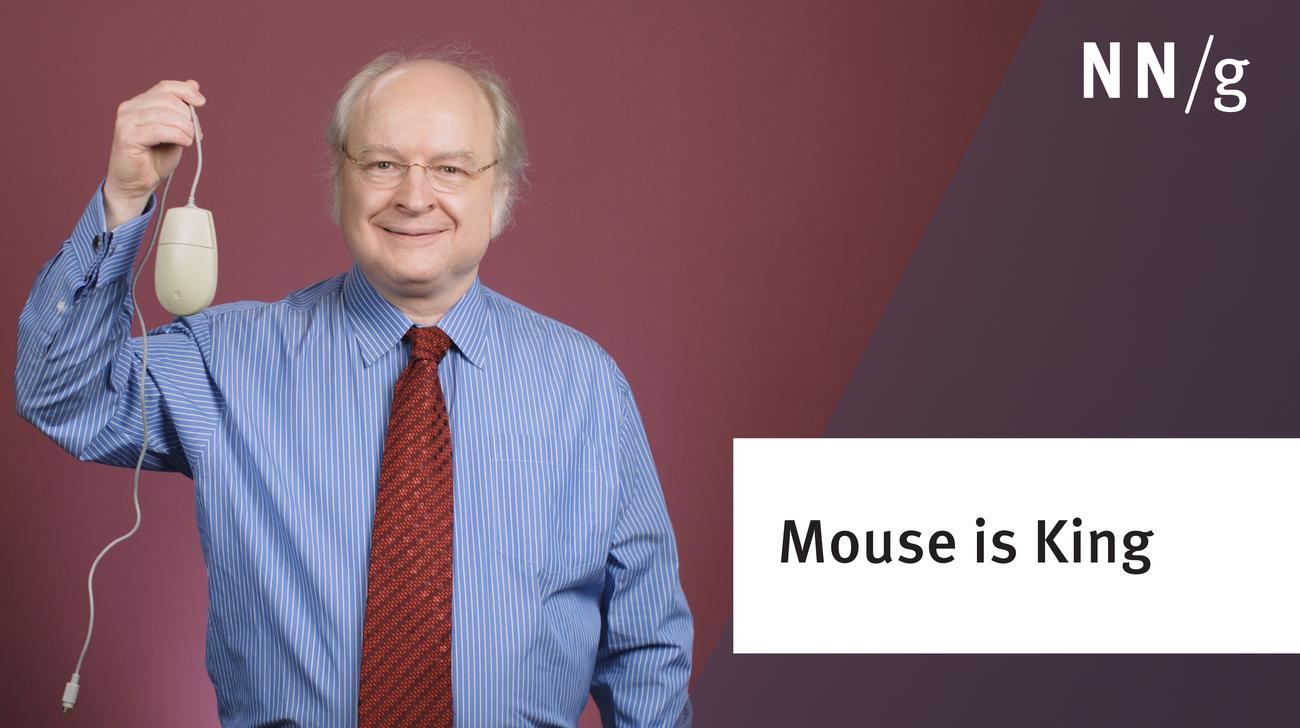
  • Mouse Is King

    The computer mouse is the most efficient pointing device for speed and accuracy. More important, it's the symbol of user empowerment and control over the user interface.

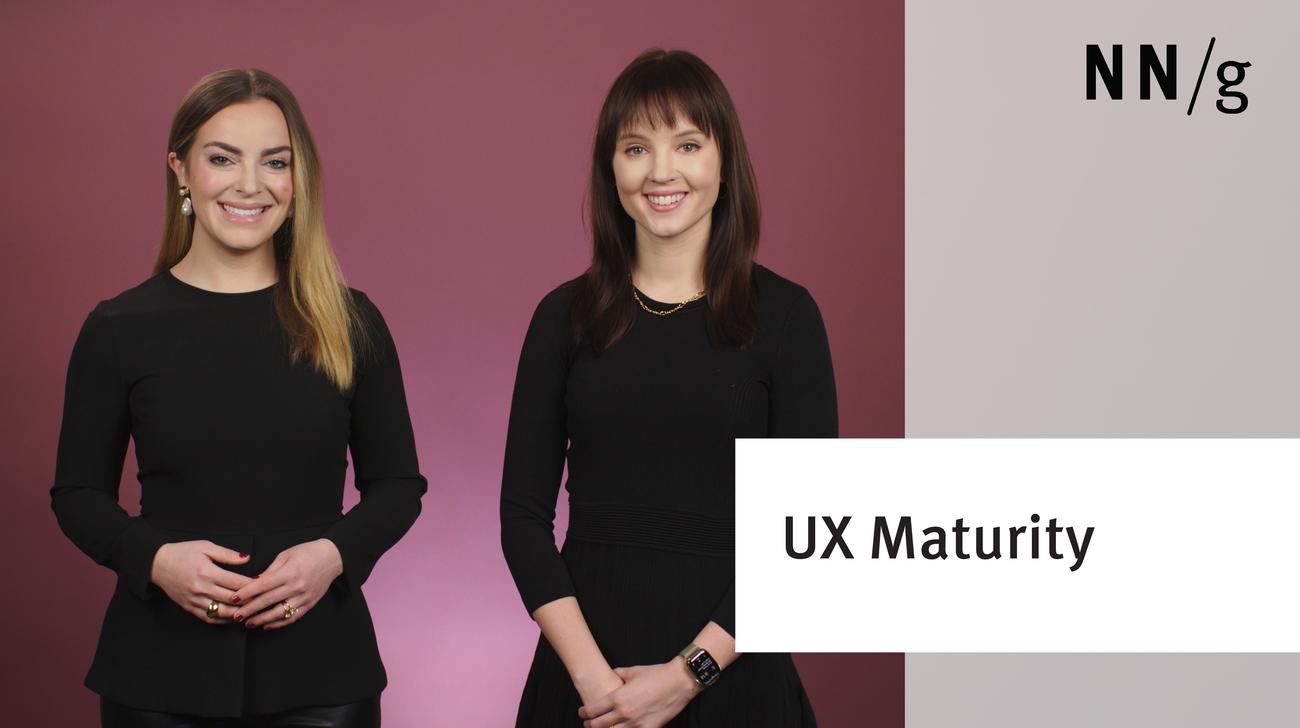
  • UX Maturity Model Stages

    Companies and organizations progress through 6 stages as user experience becomes more systematic and integrated with development and corporate goals/budgets. From stage 1 (absent) to stage 6 (user-driven), we give tips for recognizing your current stage and how to move up a level.

  • Choosing Chart Types: Consider Context

    Clearly visualize your UX data by providing context and contrast, while avoiding clutter.

  • Inclusive Design

    Inclusive design describes methodologies to create products that understand and enable people of all backgrounds and abilities. It may address accessibility, age, economic situation, geographic location, language, race, and more.

  • Self-Determination Theory: Users Want Autonomy, Relatedness, and Competency

    Humans have a deep need for autonomy, relatedness, and competency in their life. Catering to these needs in UX design can drastically increase user satisfaction.

  • 10 Usability Heuristics for User Interface Design

    Jakob Nielsen's 10 general principles for interaction design. They are called "heuristics" because they are broad rules of thumb for UX and not specific usability guidelines.

  • Empathy Mapping: The First Step in Design Thinking

    Empathy maps help UX teams visualize user attitudes and behaviors, building a shared understanding of end users while highlighting gaps in existing user data.

  • Journey Mapping 101

    A journey map is a visualization of the process that a person goes through in order to accomplish a goal.

  • How to Conduct a Heuristic Evaluation

    Step-by-step instructions to review your product to find potential usability and experience problems. Download a free heuristic evaluation template.

  • When to Use Which User-Experience Research Methods

    Modern day UX research methods answer a wide range of questions. To know when to use which method, each of 20 methods is mapped across 3 dimensions and over time within a typical product-development process.

  • Service Blueprints: Definition

    Service blueprints visualize organizational processes in order to optimize how a business delivers a user experience.

  • Design Thinking 101

    Design thinking is a user-centered process that helps teams understand needs, generate ideas, test solutions, and drive innovation.

  • Usability (User) Testing 101

    UX researchers use this popular observational methodology to uncover problems and opportunities in designs.

  • User Interviews: How, When, and Why to Conduct Them

    User interviews have become a popular technique for getting user feedback, mainly because they are fast and easy. Use them to learn about users’ perceptions of your design, not about its usability.

  • Usability 101: Introduction to Usability

    Usability makes designs easy, efficient, and satisfying to use. Improve it through early, repeated user testing with real users

  • User Journeys vs. User Flows

    User journeys and user flows both describe processes users go through in order to accomplish their goals, but they differ in scope, purpose, and format.

  • Affinity Diagramming for Collaboratively Sorting UX Findings and Design Ideas

    Use affinity diagramming to cluster and organize research findings or to sort design ideas in ideation workshops.

  • UX Research Cheat Sheet

    User research can be done at any point in the design cycle. This list of methods and activities can help you decide which to use when.

  • Using “How Might We” Questions to Ideate on the Right Problems

    Constructing how-might-we questions generates creative solutions while keeping teams focused on the right problems to solve.

  • Liquid Glass Is Cracked, and Usability Suffers in iOS 26

    iOS 26’s visual language obscures content instead of letting it take the spotlight. New (but not always better) design patterns replace established conventions.

  • User-Interface Elements: Glossary

    Use this glossary to quickly clarify definitions for key graphical user-interface elements and controls.

  • Why You Only Need to Test with 5 Users

    Elaborate usability tests are a waste of resources. The best results come from testing no more than 5 users and running as many small tests as you can afford.

  • Card Sorting: Uncover Users' Mental Models for Better Information Architecture

    In a card-sorting study, users organize topics into groups. Use this research method to create an information architecture that suits your users' expectations.

  • Open-Ended vs. Closed Questions in User Research

    Open-ended questions result in deeper insights. Closed questions provide clarification and detail, but no unexpected insights.

  • The Definition of User Experience (UX)

    "User experience" encompasses all aspects of the end-user's interaction with the company, its services, and its products.