Top Tasks are a tool used to focus a design team on the same, best set of user tasks. It comprises a list of 10 or fewer activities that users should be able to achieve using a design. If people can’t do these things, the design has failed. It takes a small amount of effort to create Top Tasks lists, but their impact is great.
Great design doesn't just happen. Rather, the organization must build 6 pillars that carry UX to success: capabilities, executive support, teams, resources, process, and schedule.
Before you draw a single pixel, define what user need you're trying to solve with the (next-step) user-experience design. UX should be grounded in real user needs.
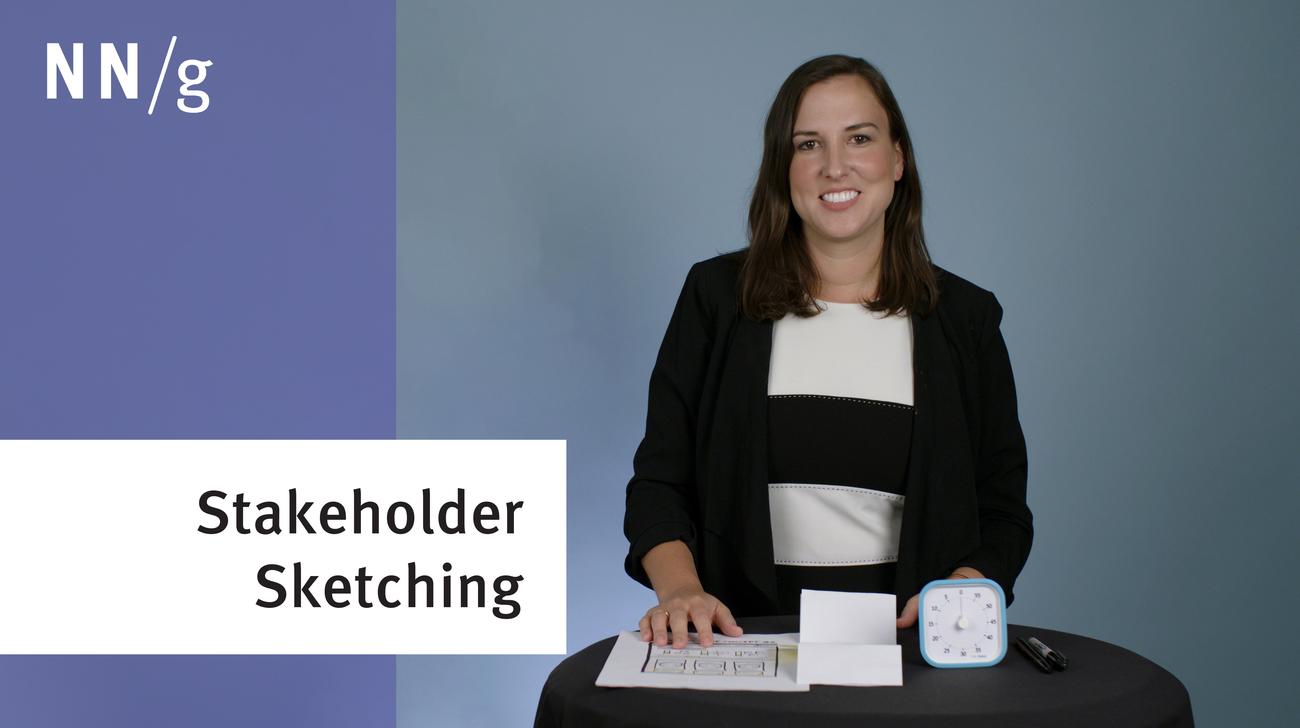
In ideation and many other UX activities, we want to include stakeholders and get them to participate in sketching UI prototypes and other visuals. Here are four tactics to getting everybody to sketch in your UX workshops.
How to maximize the positive contribution of a variety of stakeholders in workshops throughout the UX design process while minimizing any disruptive or negative impact.
To maintain focus in a UX workshop, set aside ideas in a "parking lot" if they diverge from the stated agenda. Parked ideas should be discussed later when they won't slow the team's momentum in addressing the meeting's main topic. Here are 3 guidelines for making the most of a parking lot.
As you learn design thinking, you progress through stages: being a beginner, an intermediate practitioner, and possessing advanced expertise. This progression is like learning to cook: you won't be a master chef on day 1, but there are appropriate skills to aim for at each level.
A service design perspective is needed to avoid fragmenting the long-term customer experience by individual (but uncoordinated) touchpoints, provided by siloed internal teams.
The design thinking project life-cycle has 6 well-defined stages. Mapping these stages onto a typical Agile development project shows when designers should conduct which UX activities.
We conducted research with UX professionals and designers to find out what they think Design Thinking actually is. What attributes do practitioners assign to Design Thinking, as used in practice? And how does this understanding evolve as practitioners get more experience?
When you are in the early stages of designing a user experience flow, use scenario mapping to work out how different personas will use the proposed design to solve their tasks.
The best user experiences are backed by research, but sometimes we move more quickly than our research does. How can we best use and track assumptions as we go through design iterations?
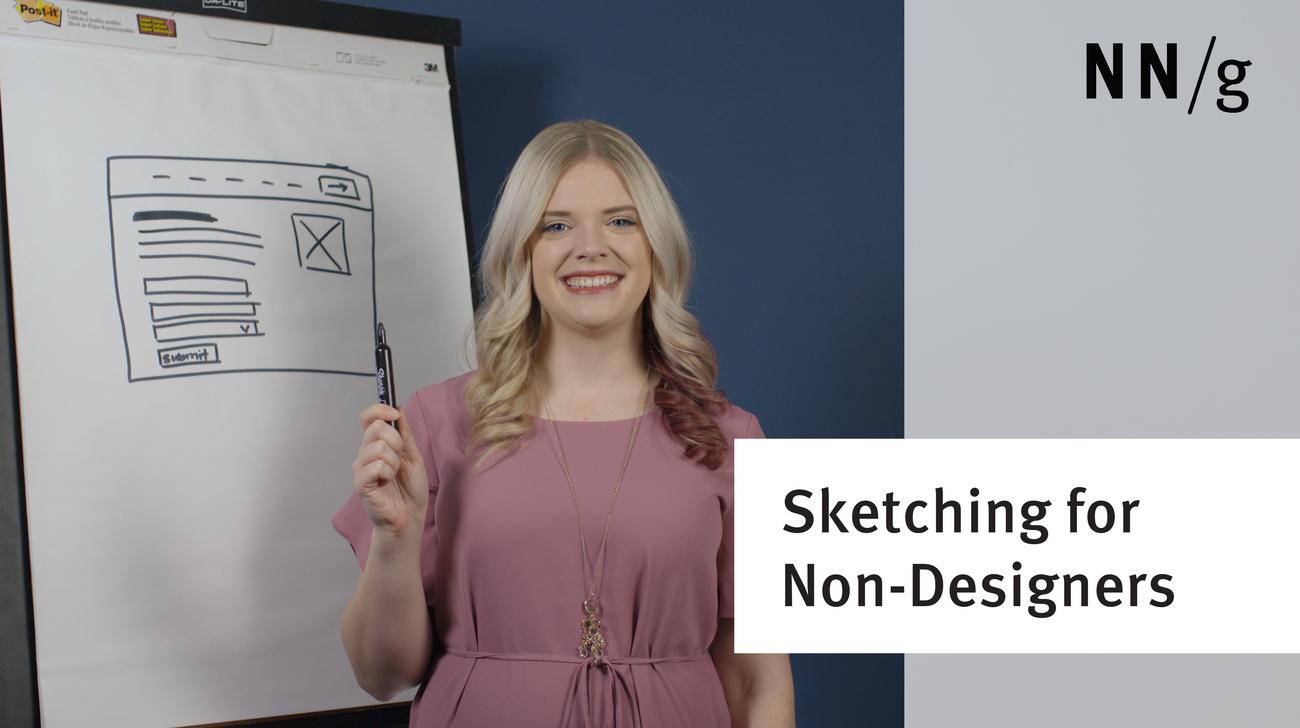
"I can't draw," is a common phrase heard in ideation. But ideation happens in early stages of design and is meant to be messy. This video shows how to use basic shapes to convey UI elements.
Using paper prototypes is a great way to test a design idea and get usability feedback quickly. You can test whether a layout makes sense to users and make immediate changes if they run into issues.
The 5 components of a journey map and the benefits of using this qualitative method as part of a UX design process to discover, document, and share the bigger picture of what users want.
Retrospectives are a dedicated time to come together, reflect, and collaboratively improve your design team’s process. In this video, we'll walk through the four components of a retrospective and how to use this meeting effectively.
How storyboards fit within the UX design process, and the steps needed to make a successful storyboard to visualize a workflow, customer journey, or user story.