Teams often fall into the trap of focusing on outputs (features, deliverables, and artifacts). Instead, a mindset shift of working toward purposeful outcomes (problems solved, needs addressed, and real benefits) leads to better results.
Instead of feature-focused roadmaps, theme-based UX roadmaps visualize experience strategy by communicating high-level opportunities and problems to solve. Include these 7 elements in each theme on the roadmap.
Some UX designers (and many clients) aim to "jazz up" the design to supposedly engage users. This usually backfires because extraneous design elements get in the way of users' tasks.
User story maps visualize the activities, steps, and details users go through in a product or feature. Instead of heavy requirements documents, story maps communicate how the pieces fit together before design and development.
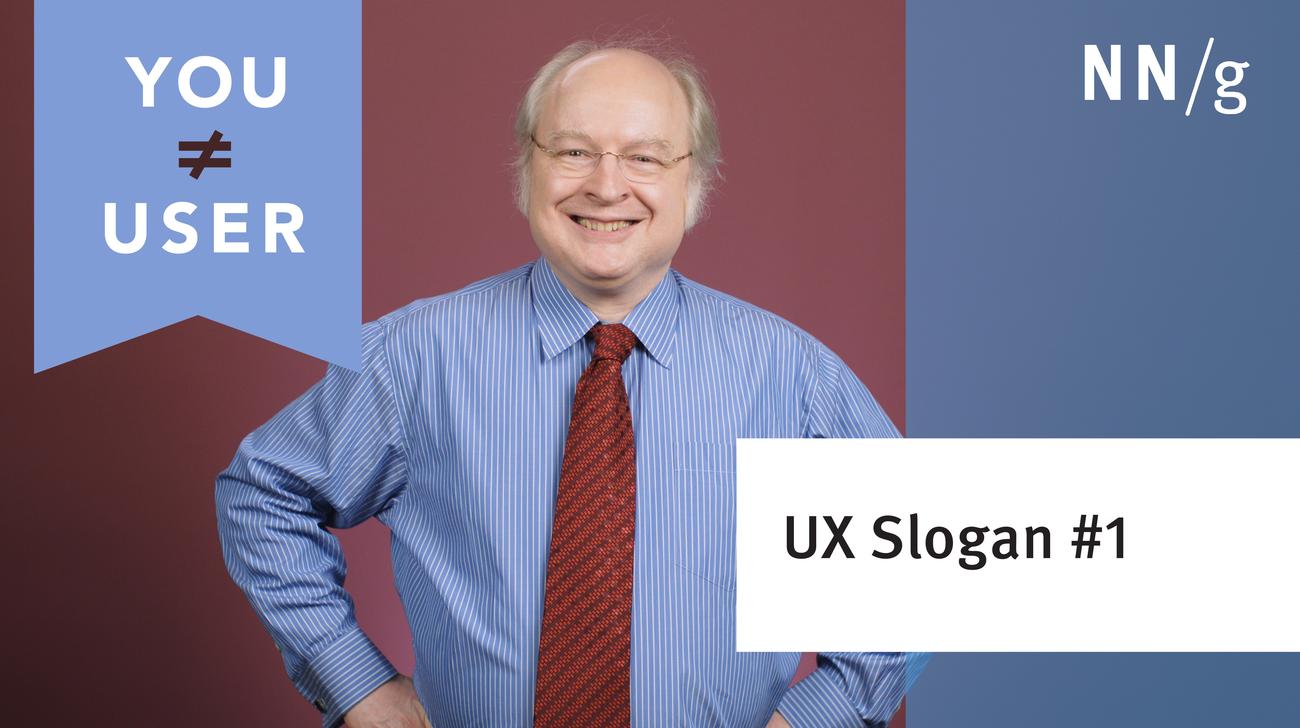
The foundation of user experience is the difference between the people on the design team and the people using the product. You can't ask users to design, but you also can't ask the designers whether their own design will be easy for the target audience to use.
In UX design meetings, critiques are sometimes based on hypothetical scenarios and pseudoevidence: not actual user problems, but something that *might* happen.
There are many design tools, and new ones come out all the time. Finding a single tool to do the job is not likely, so focus instead on understanding core design principles and adapting your process to best fit a particular task.
Contextual inquiry is a user research method that is helpful to define requirements, improve processes, learn what's important to users, and spark ideas for future projects.
Understanding and sharing the needs and motivations of users will lead to better design decisions. Observational research should be nonjudgmental while keeping an open mind and reducing bias.
If your product doesn't exist yet, and you don't even have a prototype, you can (and should) still base design decisions on user research. Observational research methods can gather information about user needs and provide input to new-product ideation.
Mapping can help UX practitioners synthesize insight into one place and visualize the problem space. This video covers 3 maps that are often utilized during the discovery phase of a UX design project: ecosystem maps, experience maps, and process maps.
Our research with UX practitioners found 3 main areas of frustration with service-blueprint projects. Here are recommendations for overcoming or alleviating these problems.
In a museum, knowing the backstory of an artifact makes it more interesting. Similarly, in a UX project, you can make better decisions when you know the context of your UX artifacts like journey maps and wireframes.
Agile development teams that struggle to keep track of UX work in the product backlog can utilize a separate backlog for UX. This method can help siloed teams where UX and development aren't in direct communication. Separate UX backlogs do have pros and cons, which are discussed here.
What does it mean to be a "designer?" Let's broaden the definition, based on the purpose, not the discipline. (Keynote by our Chief Designer, Sarah Gibbons)
Edgar Anzaldua presents a 6-year case study of learning and applying ever-more subtle UX concepts and growing his influence. Always something new to learn, from junior to senior professional level.
Teams who don't know much about UX, often ask you "so when will you give us the design?" during the early design-thinking stages. Areej Aljarba used design thinking itself to overcome this misconception. (Video from 'Back in the Real World' panel with past UX Conference participants.)
How do you decide whether to have a meeting or a workshop for a given problem or stage of your UX design process? Both involve a group of people, but there are 5 big differences, and the two formats work for different situations.